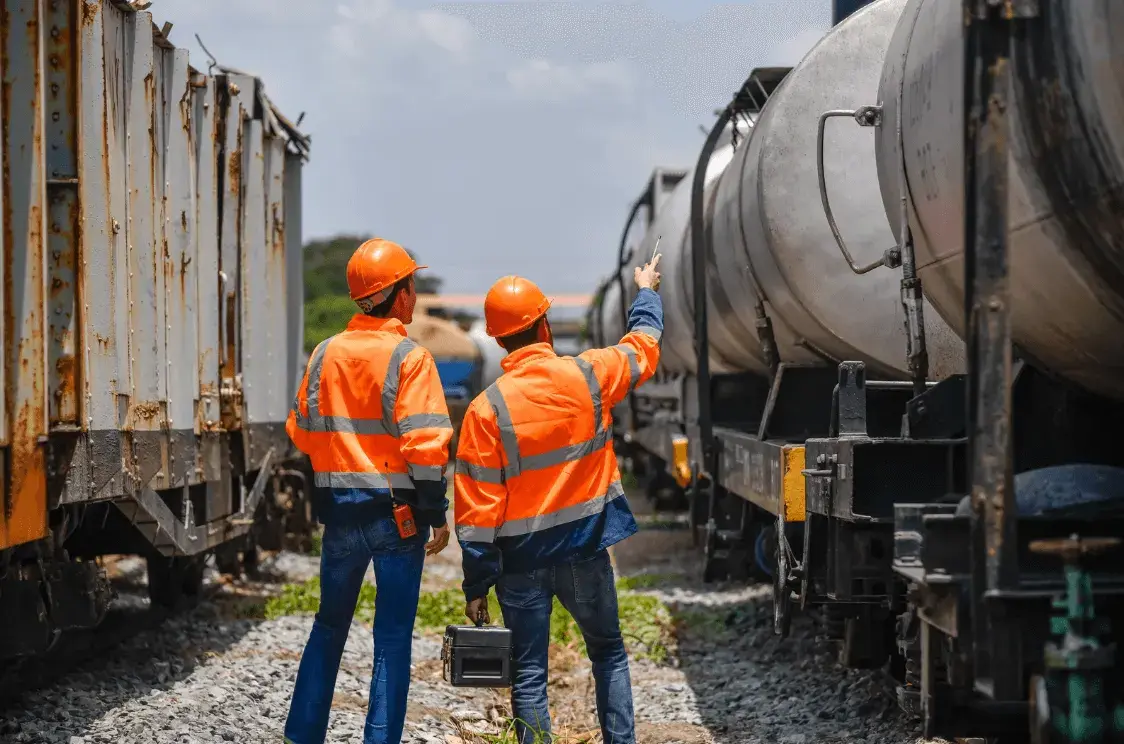
People who oversee incidents and accidents at work wear many hats – not only responsible for Work Health and Safety (WHS) but often have to be an investigator.
When something goes wrong at work - an injury, a complaint - you’re suddenly expected to get to the bottom of it and quickly. But workplace incidents vary massively, from someone slipping on a wet floor to a machine's malfunction causing a near miss that could have been catastrophic. Both require an investigation, but to what degree? How deep do you go – and how are you supposed to know?
The truth is, many businesses either overreact or do nothing at all, Organisations can struggle to know what classification an incident meets and how to respond. And in both cases, they risk repeating the same incidents. That’s where a structured, fair, and practical investigation process becomes your best friend - not just a tick-box exercise, but a chance to learn, improve, and protect your people.
In this article, you’ll learn why workplace investigations matter, when you should conduct one, and how the ICAM methodology makes the process easier, clearer, and more effective.
Workplace Investigations: Why They Matter
Incidents at work are inevitable. When they happen, business leaders must spend time looking into what occurred and why.
here are three purposes of a workplace investigation:
1. Protecting Your People and Your Business
When someone is hurt, mistreated, or put at risk, your response sends a message. A proper investigation shows your team that you take their safety seriously. It builds trust. On the flip side, ignoring an incident or brushing it under the rug breeds resentment, fear, and disengagement.
From a business perspective, investigations can save you a lot of time and resources. You’ll reduce the risk of repeat incidents, legal exposure, workers’ comp costs, and reputational damage. A single oversight can cost tens of thousands of dollars - sometimes more.
2. Legal and Regulatory Obligations
In Australia, employers have a duty of care under WHS laws to provide a safe workplace. When an incident occurs, you're often legally required to investigate it – and when you do, you need to ensure the process remains fair.
Procedural fairness in workplace investigations is about remaining unbiased, consistent, and thorough: essentially, giving everyone involved a fair go. Failing to do so can lead to unfair dismissal claims, regulatory penalties, or even prosecution.
The Fair Work Commission and safety regulators don’t just look at what happened; they scrutinise how you handled it.
3. Learning from the Incident
Here’s the real value: every incident tells a story. Businesses have a responsibility to uncover that story - not just the surface-level “what” but the deeper “why.”
Was it poor training? Inadequate procedures? A culture of silence? When you know the contributing factors, you can focus on fixing the system rather than patching up the symptoms.
Think of a workplace investigation as your safety net, helping you understand what happened, why, and make changes to mitigate recurrence and keep everyone safe.
When Should You Conduct Workplace Investigations?
Not every incident requires a full, formal investigation. But doing too little—or doing the wrong type—can waste time, damage trust, and create unnecessary risk. So how do you know when to look deeper?
Investigate When Someone is Harmed or at Risk
If someone is injured, threatened, harassed, or placed in danger, it’s important to review what contributed to the event. This includes:
- physical injuries
- psychological harm such as bullying or harassment
- near misses
- breaches of procedures
The level of investigation should be proportionate. A minor incident may only need a short review; more serious or complex events may require a structured method such as ICAM.
Note: Some incidents may also need to be reported to the state or territory WHS regulator. Internal investigations are separate from these legal obligations.
Investigate When There’s Uncertainty or Dispute
If the situation involves conflicting accounts or uncertainty, an investigation helps establish what happened, so decisions are fair and evidence based. This applies to both safety events and behavioural/misconduct matters—although these often use different processes.
Investigate When You Identify Emerging or Systemic Risk
Sometimes no one has been hurt yet, but risk is clearly present—faulty equipment, repeated procedural issues, or early warning signs in culture. Proactive investigation helps identify contributing factors before an incident occurs.
Forward-thinking organisations use investigations not only after events but as part of continuous improvement.
Understanding the ICAM Methodology
If you’ve ever felt frustrated by investigations that go nowhere, including lots of paperwork and no real answers, ICAM changes that. Rather than looking to blame, it gives you and your team insight.
What is ICAM?
ICAM stands for Incident Cause Analysis Method. It’s a structured, evidence-based approach to investigating workplace incidents, developed originally for high-risk industries like aviation and mining, but now used across other sectors in Australia.
Unlike some traditional methods that focus on who made a mistake, ICAM asks why the system allowed it to happen. It considers all the contributing factors, such as:
- Absent or Failed defences (the measures that failed to detect and protect the system)
- Team/Individual actions (e.g. error or violations)
- Task/Environmental conditions (e.g. tools, lighting, workload)
- Organisational factors (e.g. procedures, leadership, culture)
It’s comprehensive without being overwhelming. You’re not just ticking boxes but building a clear picture of what contributed to the incident.
Why ICAM Works
- Fair and blame-free: It focuses on factors, not culprits, promoting openness and learning.
- Underlying Issues focus: You fix the underlying issues, not just the symptoms.
- Regulator-trusted: It’s a widely respected method aligned with procedural fairness principles.
- Scalable: You can apply it to anything from a minor slip to a major system failure.
ICAM Australia’s Support and Training Services
At ICAM Australia, the ICAM methodology is our bread and butter. Our consultants are deeply trained in the ICAM process and have worked with hundreds of businesses across Australia. We don’t just apply the model; we guide you through it, tailoring it to your specific industry, team, and risk profile.
So, whether you're dealing with an incident right now or want to strengthen your future response, ICAM Australia has you covered. Here’s how our services help you:
On-Demand Incident Response
When something goes wrong, speed and clarity matter. ICAM Australia provides immediate support to help you:
- Decide if a formal investigation is needed
- Manage the investigation process with procedural fairness
- Collect evidence and conduct interviews
- Identify all contributing factors
- Provide recommendations
- Document findings clearly
You’ll work with seasoned consultants who’ve seen it all. They know how to handle complex situations with professionalism, sensitivity, and a clear understanding of legal and safety obligations.
Tailored WHS Training
The best time to get good at investigations? Before something goes wrong.
ICAM Australia offers practical, scenario-based training designed for WHS personnel, managers, and team leaders. Your team will learn:
- When and how to initiate a workplace investigation
- How to apply the ICAM methodology effectively
- What procedural fairness really looks like in practice
- How to ask the right questions to uncover contributing factors
- How to avoid common legal and procedural missteps
Whether you want a single workshop or a complete training package, your team will walk away confident and capable of handling investigations themselves.
Building Internal Capability
ICAM Australia doesn't only parachute in during a crisis - our team help you build long-term resilience. That means:
- Creating or refining your internal investigation procedures
- Upskilling your team so investigations are consistent and fair
- Offering ongoing support when complex cases arise
It’s about giving you the tools and confidence to handle incidents effectively.
Investigations Done Right with ICAM Australia
Workplace investigations are your frontline defence against repeated incidents, legal trouble, and damaged trust.
Handled well, they protect your people, uncover what really went wrong, and demonstrate your commitment to fairness and safety. Handled poorly - or not at all - you leave your business exposed and your team uncertain.
The good news? You don’t have to do it alone.
ICAM Australia is here to support you, whether you need help responding to an incident, want to train your team, or just need clearer processes. With the proven ICAM methodology, you’ll not only investigate better but mitigate incidents from happening in the first place.
So, if you’ve been wondering what the purpose of a workplace investigation is or want to refine your workplace investigation process in Australia, this is your next step: bring in the experts who live and breathe this work.
Give ICAM Australia a call today.Because when investigations are done right, everybody wins.