
In February 2026 New South Wales passed the first law in Australia that treats the software allocating work as a work health and safety matter. The Work Health and Safety Amendment (Digital Work Systems) Act 2026 received assent...
10 Strategies to Foster a Positive Workplace Safety Culture
Many workplace incidents don’t occur because safety systems are missing but because safety culture breaks down in day-to-day operations. When safety is treated as a compliance exercise rather than a shared responsibility, risks can go unrecognised, reporting can decline, and unsafe behaviours can become normalised within the workplace environment.
Building a strong safety culture requires more than policies and procedures. It means creating an environment where workplace health and safety is embedded into leadership decisions, everyday behaviours, and how people communicate, report, and respond to risk.
In this article, we explore what safety culture is, why it matters, and provide ten practical strategies your organisation can use to foster a positive workplace safety culture – underpinned by the ICAM methodology.
What is Safety Culture?
Safety culture refers to the shared values, beliefs, and behaviours that influence how people think about and act on health and safety in the workplace. It shapes how risks are identified, how incidents are reported, how decisions are made, and how safety is prioritised alongside operational goals.
A positive safety culture exists when safety is embedded into everyday work - not just documented in policies - and when leaders and workers alike take responsibility for maintaining a safe workplace environment.
The following ten strategies outline practical ways organisations can embed a positive safety culture, guided by the ICAM methodology and its focus on systems, behaviours, and risk.
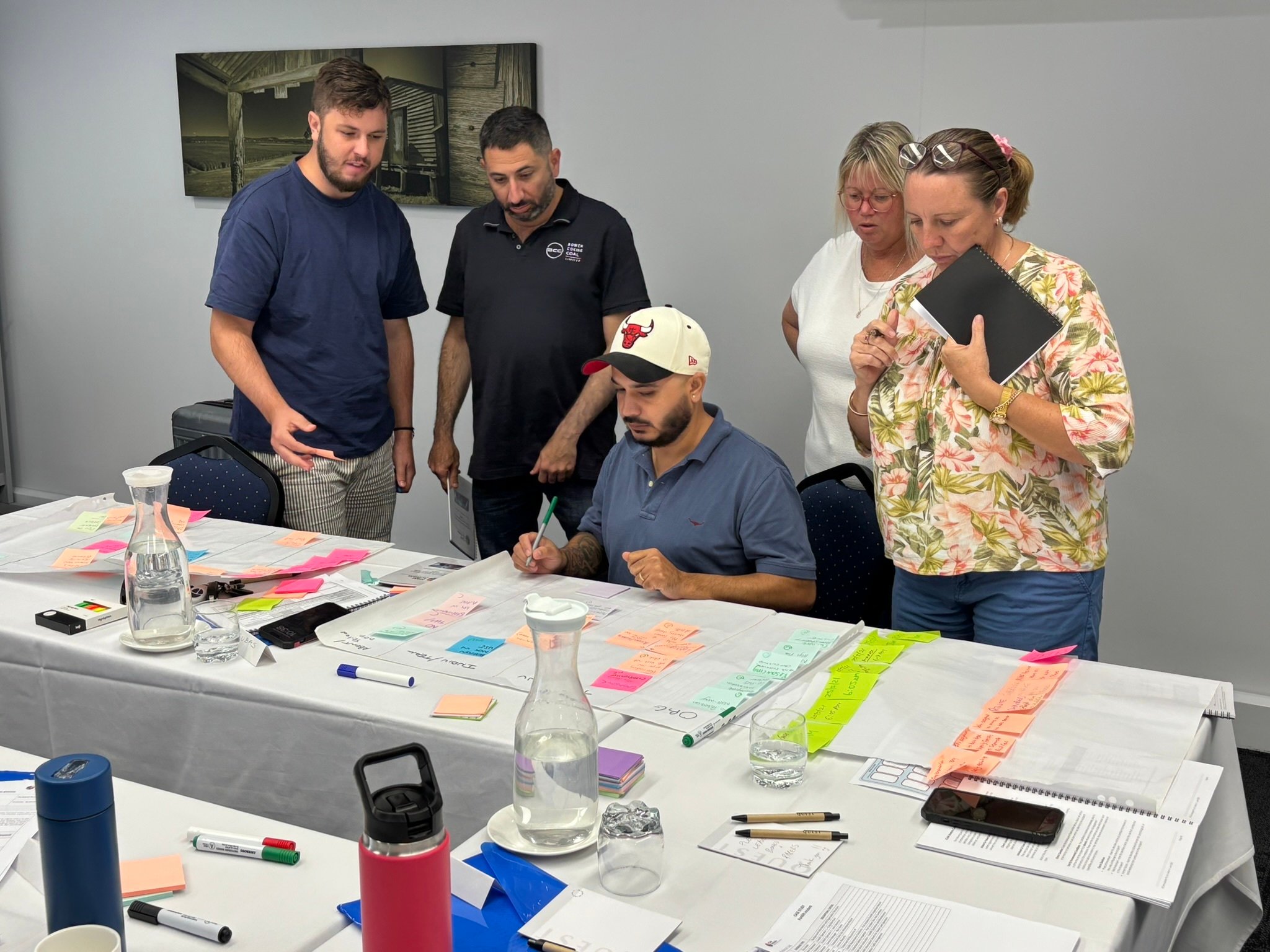
Ten Strategies to Optimise Workplace Environment Safety
1. Demonstrate Leadership Commitment
A positive workplace safety culture starts at the top. When leaders consistently demonstrate that safety is a priority - not just in words, but in actions - it sends a powerful message throughout the organisation about what really matters.
Leadership commitment is shown when health and safety considerations are embedded into everyday decision-making. This includes actively supporting incident investigations, addressing systemic risks rather than individual blame, and allocating adequate resources to risk reduction and safety training. When leaders visibly engage with safety processes and follow through on corrective actions, employees are far more likely to take safety seriously themselves.
2. Provide Easy-to-Use Reporting Tools
A strong safety culture relies on people feeling encouraged to speak up. When reporting systems are overly complex or difficult to access, hazards and near misses often go unreported, increasing the likelihood of serious incidents over time.
Providing simple, intuitive reporting tools removes barriers to participation and encourages early identification of risks. Easy-to-use systems help employees report concerns quickly, supporting safer workplace environments and enabling organisations to respond before issues escalate. ICAM supports organisations to design reporting systems that strengthen safety culture in Australia by improving visibility of risks and promoting timely action.
3. Encourage Open Communication
Open communication is a cornerstone of culture safety. When workers feel safe raising concerns and discussing risks, organisations gain valuable insight into everyday operational challenges that may otherwise go unnoticed.
Encouraging open conversations about safety builds trust and shared responsibility. Actively listening to worker concerns - and responding constructively - helps reinforce the message that safety is a collective priority. ICAM-facilitated training supports leaders and teams to develop effective communication skills, enabling meaningful dialogue and improved awareness of workplace environment safety issues.
4. Act on Feedback
Reporting hazards and incidents is only effective when organisations act on the information received. Failing to respond to feedback can quickly erode trust and undermine safety culture.
Taking visible, timely action on reported events demonstrates a real commitment to improvement. ICAM’s investigation expertise focuses on identifying contributing factors and systemic issues, rather than an individual’s fault. This approach supports practical, preventative recommendations that reduce the likelihood of similar incidents occurring in the future and strengthens long-term safety culture outcomes.
5. Prioritise Health and Safety Training
Training plays a vital role in shaping how safety is understood and applied across an organisation. More than a compliance requirement, effective training builds capability, confidence, and a shared understanding of risk.
ICAM training course is tailored to reflect real workplace challenges and is grounded in the ICAM methodology. Involving employees in the planning and delivery of training ensures sessions are relevant, practical, and aligned with actual operational risks, helping organisations strengthen workplace environment safety at every level.
6. Be Proactive in Risk Management
A positive safety culture is proactive, not reactive. Organisations that focus solely on responding to incidents miss valuable opportunities to mitigate harm before it occurs.
Proactive risk management involves identifying early warning signs, weak signals, and emerging risks. ICAM’s systems-based approach helps organisations recognise and address these indicators early, reducing exposure to serious incidents. By focusing on risk mitigation, organisations can embed safety into everyday operations and strengthen culture safety across the workplace.
"Timely and clear communication of safety updates can transform your workplace into a safer and more inclusive environment."
— ICAM Safety Strategy
7. Consultation and Participation of Workers
Consultation and participation are essential for building a strong and inclusive safety culture. Workers often have first-hand knowledge of hazards, workarounds, and operational pressures that may not be visible to leadership.
Establishing clear processes for consultation ensures employee insights are actively considered in safety decision-making. ICAM supports organisations to implement and maintain meaningful consultation practices that improve safety protocols, encourage shared ownership, and reinforce a positive safety culture across Australian workplaces.
8. Tackle incompatible goals
One of the biggest challenges to workplace safety culture is the conflict between production pressures and safe work practices. When speed, output, or efficiency are prioritised over safety, risk-taking behaviours can become normalised.
Addressing incompatible goals requires a systems and human factors perspective. ICAM helps organisations identify where competing priorities undermine safety and supports the development of practices that balance operational performance with workplace environment safety. This approach enables safer decision-making without compromising long-term productivity.
9. Implement Effective Communication Strategies
Clear, consistent communication is critical to maintaining a strong safety culture. Employees need to understand safety expectations, changes to procedures, and the reasons behind safety decisions.
Effective communication strategies ensure safety information reaches everyone, regardless of role or location. ICAM supports organisations with systems that improve the communication of WHS initiatives, safety updates, and procedural changes, helping to reinforce culture safety and maintain alignment across the workforce.
10. Include Psychosocial Health in Safety Considerations
Modern safety culture extends beyond physical hazards to include psychosocial health and wellbeing. Factors such as workload, role clarity, and workplace relationships can significantly impact both safety and performance.
ICAM helps organisations address psychosocial risks by applying the ICAM methodology to psychosocial event investigations. This approach supports the development of practical strategies that promote psychological safety, enhance overall wellbeing, and contribute to a more holistic and resilient workplace safety culture.
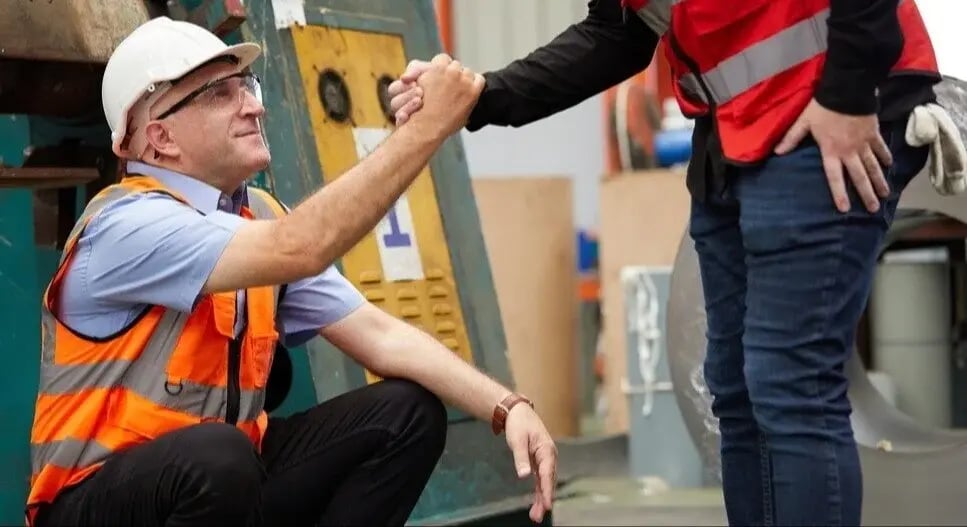
Empowering Safer Workplaces Through ICAM
A positive safety culture is built through consistent leadership, informed decision-making, and a commitment to learning from unexpected events. When safety is embedded into systems, behaviours, and organisational priorities, risks can be better understood and reduced over time.
ICAM Australia supports organisations across Australia with systems-based expertise, customised solutions, and practical training that strengthen workplace environment safety and long-term performance. By applying these strategies, organisations can move beyond compliance and foster a safety culture where people feel supported, heard, and empowered to work safely.
Ready to take the next step? Explore ICAM Australia’s latest course offerings and discover how a structured, mitigation-focused approach can help strengthen safety culture in your organisation.
From the blog

3 mins read
.png)
ICAM Australia, Accident Investigation
Why ICAM Training Is Essential for High-Risk Workplaces
If you work in a high-risk industry, you know that every workplace incident has the potential to change lives. But too often, investigations stop at what happened instead of uncovering why it happened. When underlying issues go...
7 mins read